How we take out old tile and set the new
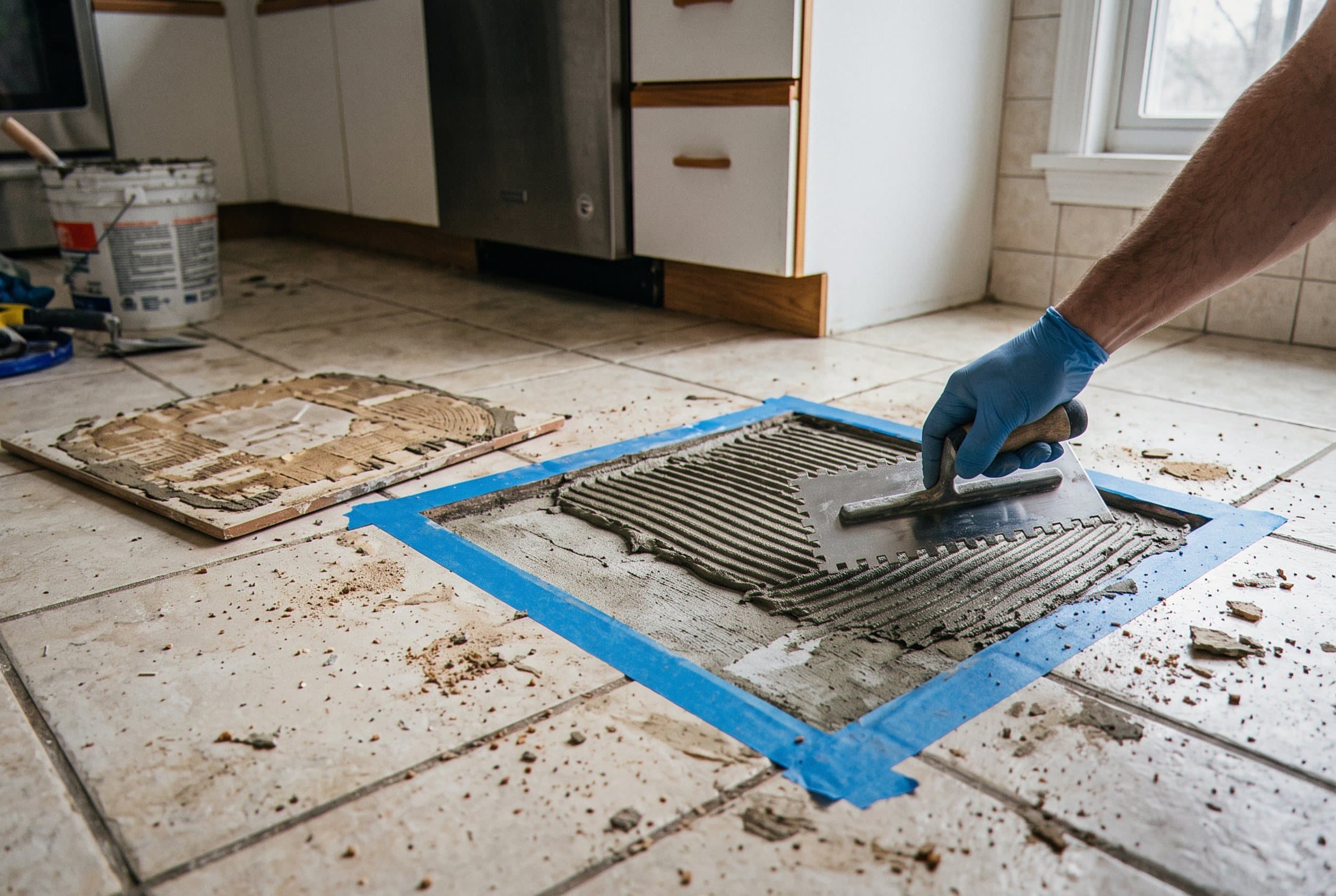
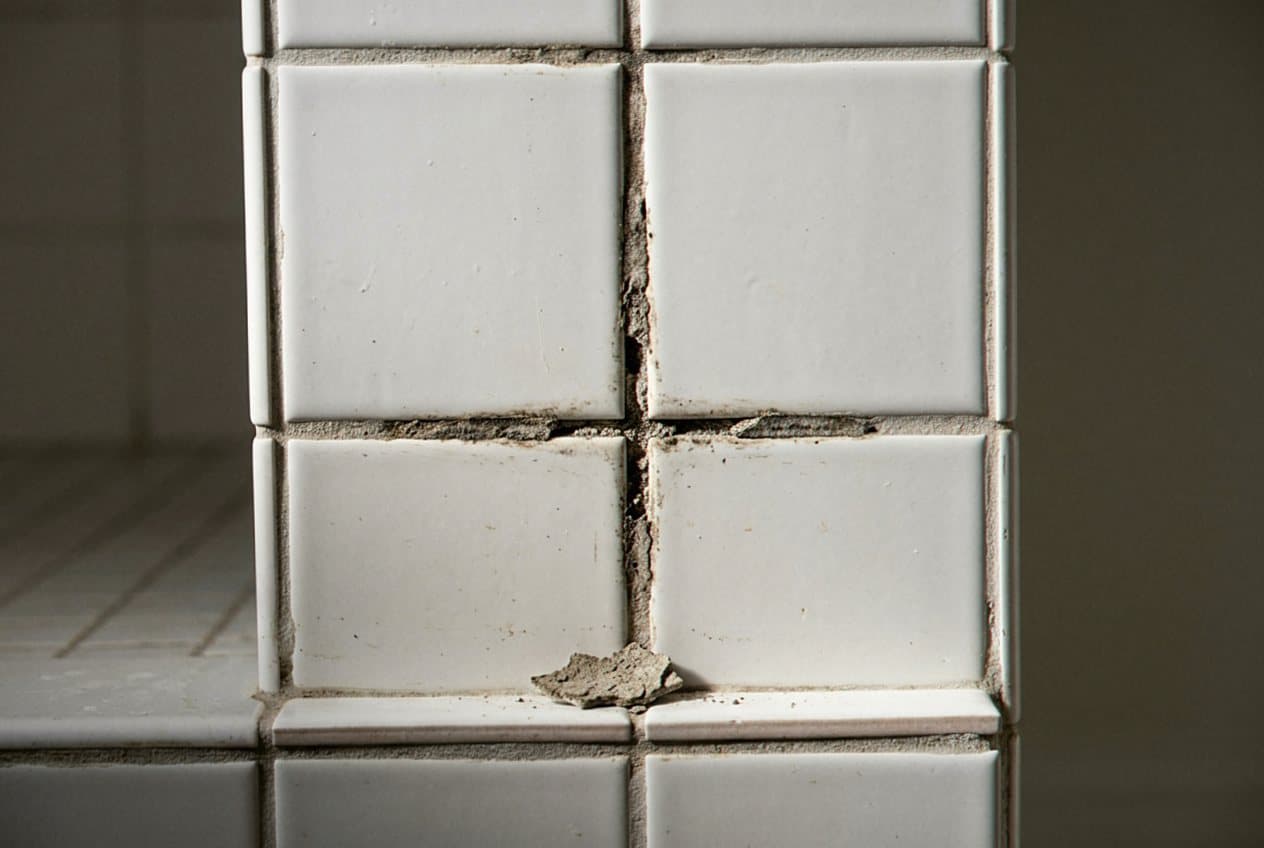
Most tile jobs in Springfield start as a demolition problem, not a design problem. Homes around Enos Park and the older blocks on the west side often have floor tile set into a thick bed of mortar over wire lath. That kind of floor does not pop up with a pry bar. It comes out in chunks, and the mess it makes will travel through the whole house if nobody stops it. So we stop it. We seal the doorways with plastic, run a fan that pulls air out of the room, and vacuum with HEPA filters while the old tile is coming down. Furniture gets covered or carried out. Vents get taped shut so grit does not ride the ductwork into your bedrooms and settle on top of the kitchen cabinets. Then there is the question of what sits under that old tile. In houses built before 1980, the old floor tile and the black adhesive beneath it can contain asbestos. That material turns dangerous once it gets broken up, sanded, or ground. So we do not guess and we do not grind. If the age and the look of the floor raise a flag, we tell you, and testing happens before any tool touches it. That is a short delay. It beats spreading fibers through a home where your kids sleep and your dog naps. Wall tile is its own animal. A bathroom from the 1960s in Springfield often has tile bedded into mortar over metal lath, with plaster or old gypsum board behind that. Pulling the tile down usually takes the wall surface with it, right back to the studs. We plan for that from day one, because a bathroom torn open on a Friday with no plan for Monday is how a short job turns into a long one. Our crew hauls debris out the same day it comes down. You get your driveway back, your hallway back, and a room that is actually ready for the next step instead of a pile you have to walk around.
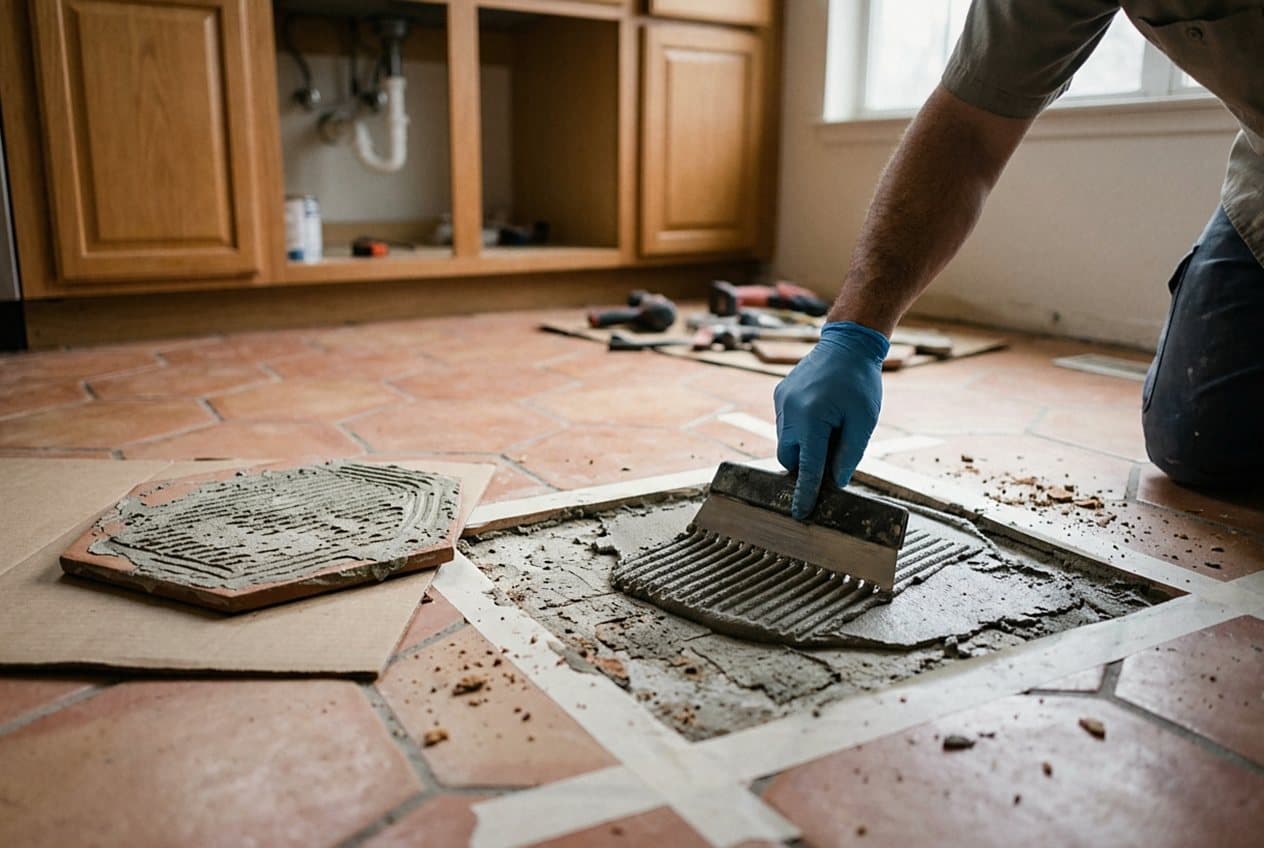
Once the old tile is gone we can finally see the floor. That is the part homeowners never get to inspect, and it decides whether the new tile lasts or cracks in two winters. Around a tub or a toilet flange we often find plywood that went soft from a slow leak nobody knew about. In a basement bath we sometimes find a slab with a crack that still moves a little through the year. Neither one is a disaster. Both have to be handled before a single new tile goes down, because tile is only as flat and as still as whatever sits under it. So we check the framing for bounce first. A floor that flexes under a heavy step will crack grout lines later no matter how good the setting work was. If the joist span is long or the subfloor is thin, we add a layer or sister the framing until the floor holds still. Then the surface gets prepped. On most floors that means cement backer board fastened and taped at the seams, or a membrane that gets glued down and lets the slab move a little without dragging the tile along with it. Showers get treated as a waterproofing job that happens to have tile on it. The pan slopes to the drain, the corners and the curb get sealed, and the walls get a waterproof layer before any tile goes up. We fill a new pan with water and watch it sit. July here is humid and still, and a shower that leaks slowly will quietly rot a wall for a year before anyone smells a thing. Layout comes last and matters more than most people expect. We dry fit the field, snap our center lines, and put the cuts where the eye does not land. Small slivers get pushed into corners and under the vanity. Grout joints on the wall line up with the joints on the floor. Where a new floor meets wood or carpet, we set a clean transition instead of hiding a rough edge under trim. It is slow work. It is also the whole difference between a room that looks installed and a room that looks built.
- Dust control that actually holds up. Plastic walls at the doorways, taped vents, a fan pulling air out of the room, and HEPA vacuums running while the old tile comes down. An old mortar bed throws an amazing amount of grit, and with nothing to stop it that grit ends up in your closets and on top of your kitchen cabinets. We would rather spend an hour taping plastic than leave you cleaning for a week.
- We look under the old tile before anyone talks about the new one. Soft plywood around the tub. A slab crack that still moves. A joist span that bounces under a heavy step. A drain that sits too high for the floor you picked. All of it gets found during the tear out and put in front of you right then, with photos, instead of becoming a surprise that stalls your job halfway through.
- One crew from demolition through grout. The same people who haul out your old tile set the backer board, run the waterproofing, place the new tile, and grout it. Nothing gets handed off to a stranger and nothing falls into the gap between trades. When you have a question about your bathroom, you are asking the person who was standing in it an hour ago.
- Straight answers about scope and about time. If the wall behind your old tile has to come out to the studs, we say so before we start. If the tile you picked needs a flatter base than your floor has today, we say that too. You get the real scope before demolition day, so the plan you agree to is the plan we work to.
- A house you can still live in while we work. We block off the work zone, keep one clear path through it, and haul debris out daily instead of stacking it in your garage. In a home with only one bathroom we sequence the work so the room comes back into service as fast as the mortar and grout allow. Cleanup happens at the end of each day, not at the end of the job.
Timing is the question everyone asks first. A small floor in a powder room can come out and go back in quickly. A full bathroom with wall tile, a new shower pan, and a new floor is a longer stretch, because mortar and grout need real time to cure and the waterproofing has to be tested before any tile covers it. We would rather hand you a true schedule than a pretty one. When the old tile turns out to be hiding a rotted subfloor or a valve that has been weeping behind the wall, the repair gets added to the plan and you hear about it that same day, with photos. We work across Springfield and the towns around it. Chatham, Rochester, Sherman, Riverton, Auburn, Williamsville, New Berlin, and the rest of Sangamon County are all normal drives for our crew. The housing here runs from old homes near downtown, to ranch houses from the 1960s on the west side, to newer builds out toward Chatham and Rochester. Each of those eras hides something different under the tile. After enough of them you learn what to expect before the first swing of the hammer, and that is why our scope on day one usually holds through day five. A few things help us give you a real answer on the phone. Tell us the room and roughly how big it is. Tell us whether the tile is on the floor, the walls, or both. Tell us how old the house is, and say so if the tile looks original to a home from the 1950s or 1960s, because that changes how we plan the demolition. Photos help more than anything else. Two or three shots from your phone tell us more than ten minutes of talking, especially a wide one of the whole room and a close one of a cracked or loose spot. Then we come out and look. We measure, check the floor for movement, look at the drain and the valve, and talk through what your new tile needs under it. You get a clear scope of what comes out, what goes back in, and how many days the room will be out of service. If you want to see samples of the sizes and shapes that work well in a small Springfield bathroom, we will bring some along. Call us and tell us what you are looking at.
Old tile does not have to be a project you keep putting off. A cracked kitchen floor, a dated bathroom you have wanted gone for years, a shower that has started to leak into the wall behind it, we handle all of it from the first hammer to the last grout joint. Demolition, hauling, subfloor repair, waterproofing, layout, setting, and cleanup. One crew, one schedule, one number to call when you have a question. Tell us the room you are looking at and we will tell you what it really takes.