Tile Flooring Installation · Springfield

Tile Flooring Installation in Springfield, IL

We install tile floors across Springfield and Sangamon County. Our crew preps the subfloor, sets each tile flat, and grouts lines that stay tight through the seasons.

Free Quote

Free Tile Flooring Installation quote.

We reply within 1 business hour. No spam, ever.

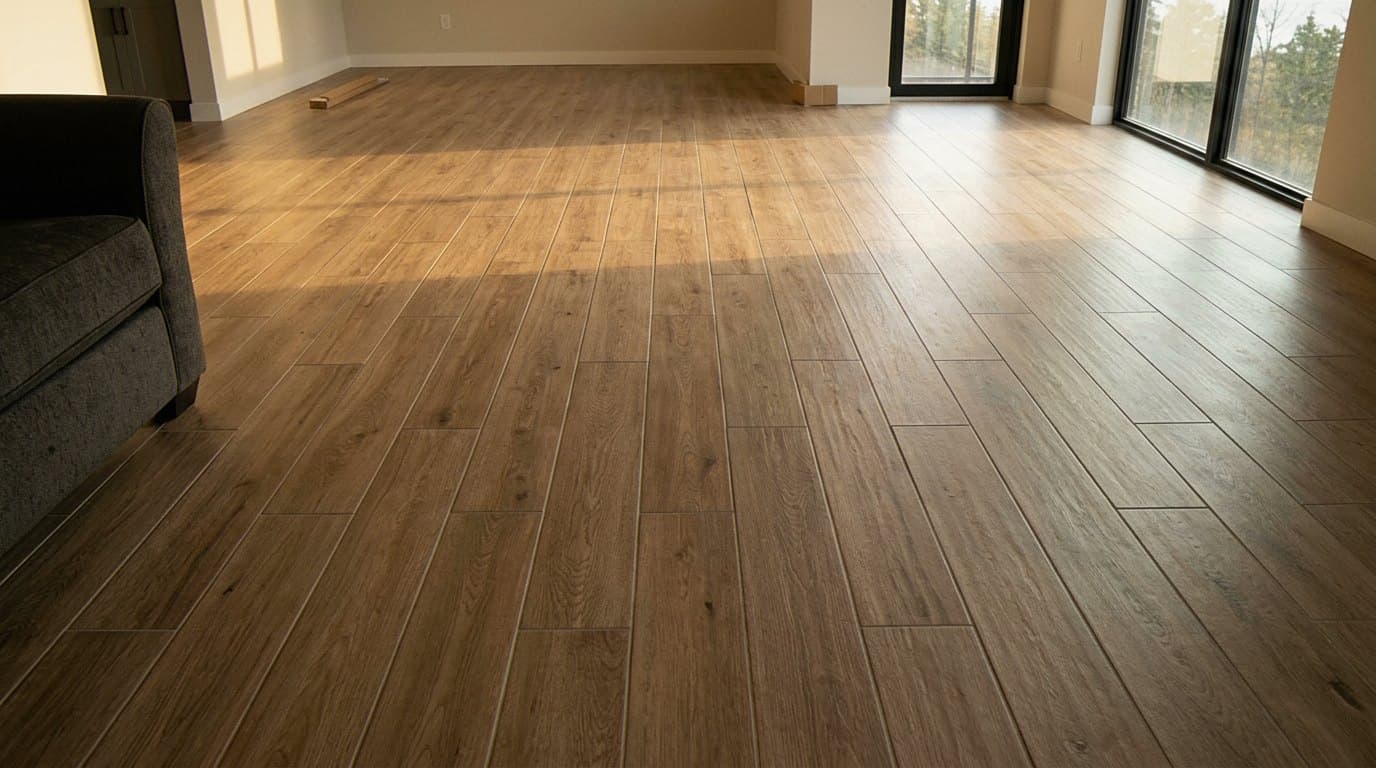
Sunlit wood-look tile floor in an empty room
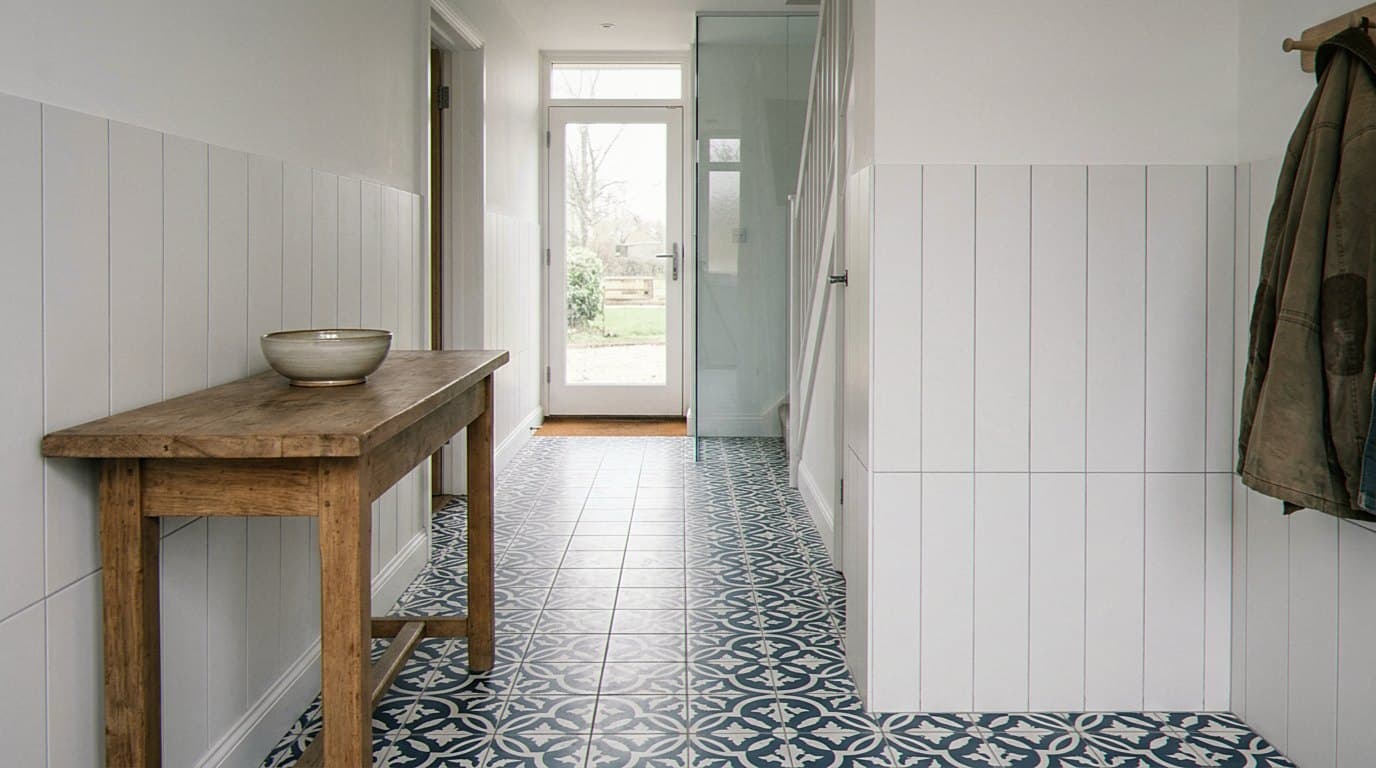
Patterned blue tile floor down a white paneled hallway
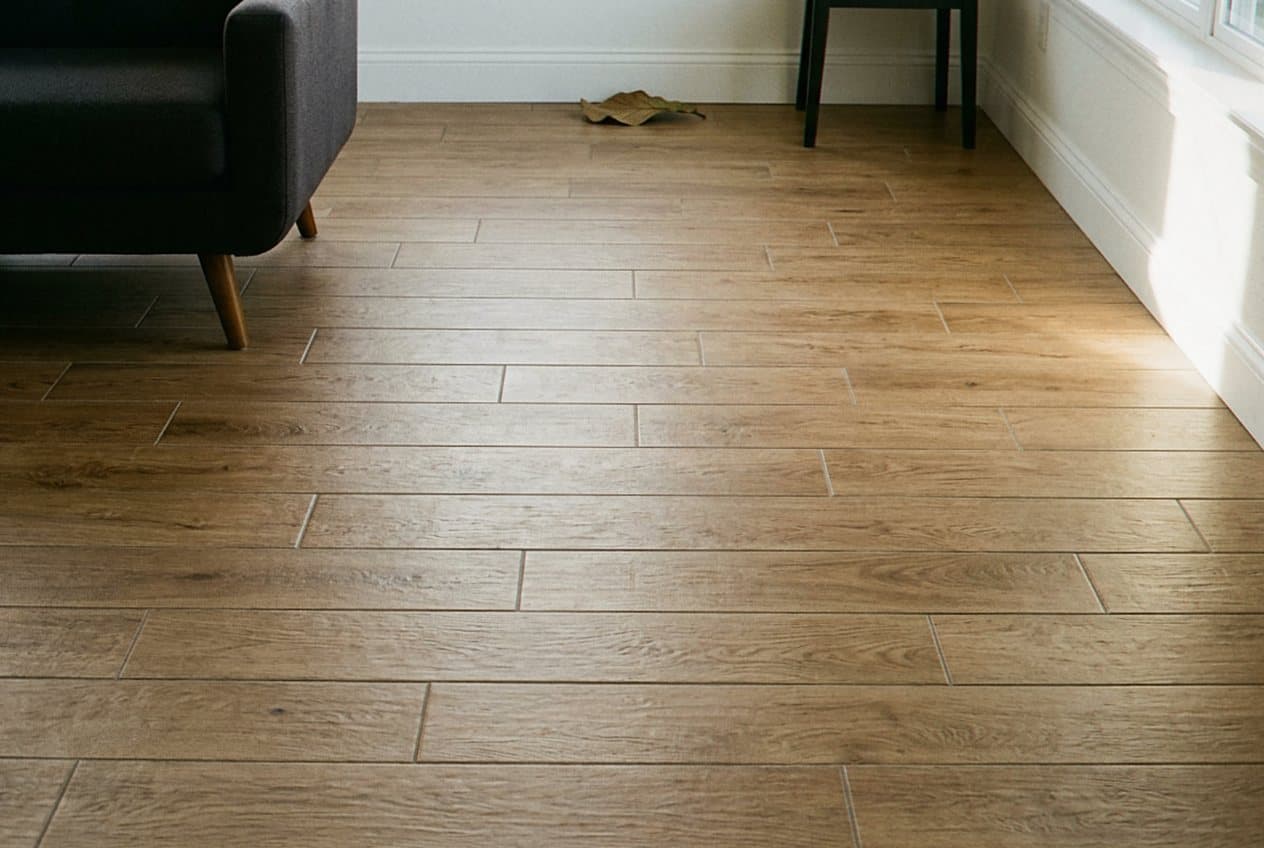
Wood-look plank tile floor in a bright living room
What we do

We build the floor from the subfloor up

Most tile floor trouble in Springfield starts under the tile. A soft subfloor, a low spot by the doorway, or thinset spread too thin will crack grout inside a year. So we start down there. We walk the room, check it for bounce, and read the floor with a long straightedge before we open a box of tile. In older homes near Enos Park and Vinegar Hill, that often means pulling up old vinyl and a layer of soft plank. Out toward Chatham and Sherman the framing tends to be solid, though the floor still needs help to sit flat. Either way you hear the whole prep plan before we start.

Once the base is right, the setting goes fast and it looks it. We dry lay the field first so the cuts land where you want them, not in the middle of a doorway. Tile gets back buttered and combed in one direction, which pushes the air out and puts full mortar under every piece. That contact is what keeps a floor from sounding hollow and popping loose a year later. We hold movement joints at the walls and around any post, because tile grows and shrinks with the room and needs somewhere to go. Grout goes in after the mortar sets, never the same day.

  • Subfloor prep comes first. We fix bounce, flatten the low spots, and add a crack isolation layer where the room needs one, so the tile is not doing structural work.
  • Cuts are planned, not improvised. We dry lay the field and start the layout from the sight line you walk into, so full tiles land where your eye lands.
  • Full mortar under every tile. We comb in one direction and back butter each piece, which is what keeps a floor from sounding hollow or chipping at the corners.
  • Clean transitions at every doorway. Where tile meets wood, carpet, or an old vinyl floor, we set a metal or matching profile so nobody stubs a toe.
  • We clean up as we go. Grout haze comes off the same day, scrap and boxes leave with us, and the room is walkable when we say it will be.
A tile floor is only as flat and solid as the thing under it. Get the base right and the tile takes care of itself.

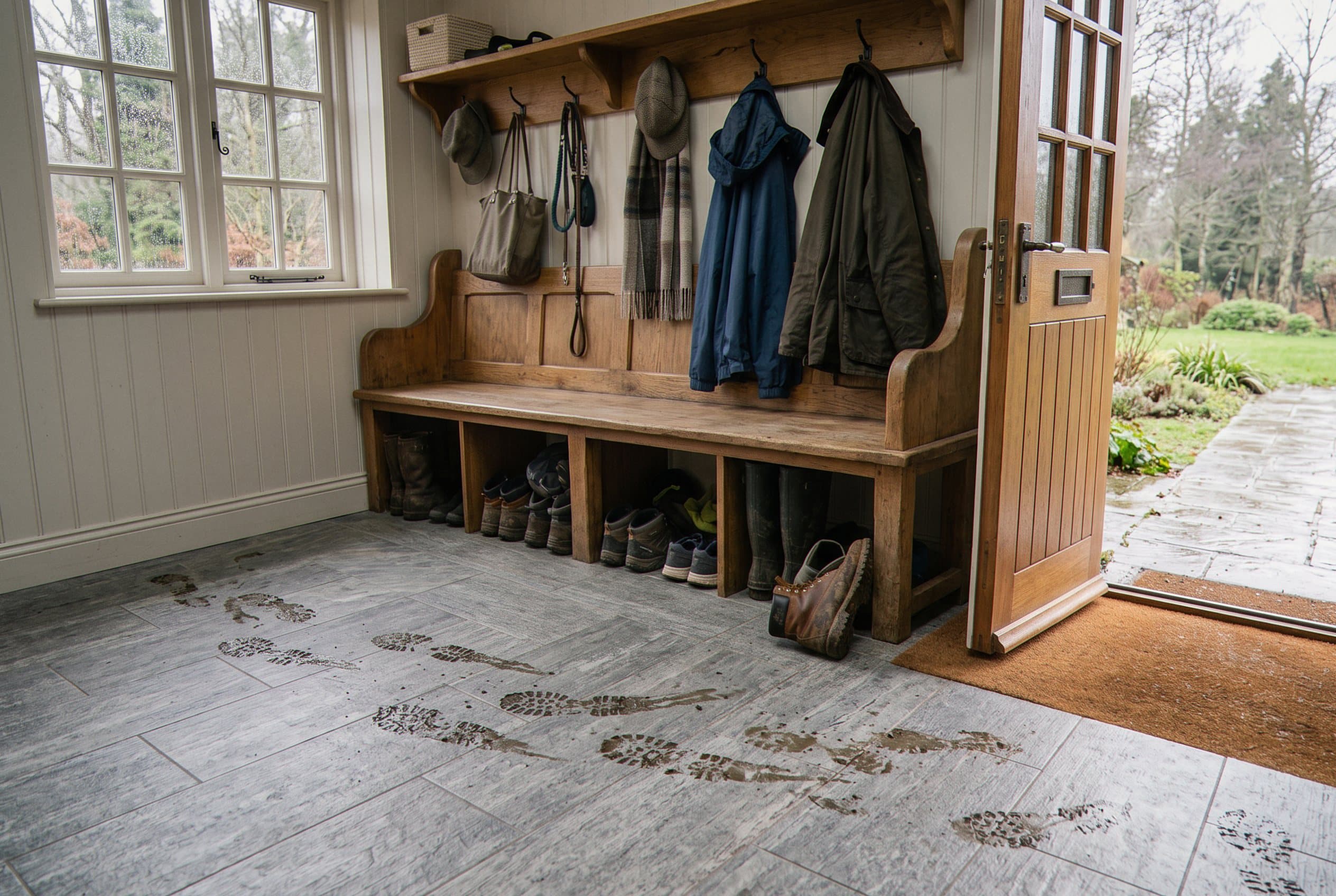
Central Illinois is hard on a floor. Salt and slush ride in on boots from December through March, then the summer humidity swells everything back up. Tile takes that better than wood or laminate, as long as the grout is right and the entry has somewhere to shed water. In a kitchen we like a floor you can mop without thinking about it. In a mudroom off the garage we push for tile with real grip and a darker grout that hides the winter mess. If the room sits over a cold basement or a slab, we can rough in electric floor heat while the floor is open, which is the only easy time to do it.

Call us and tell us the room, the rough size, and what is on the floor now. We will come out, check the subfloor for bounce and for flat, and walk you through what the prep really needs. You get a clear scope, a start date, and a crew that shows up when it says it will. No pressure on the visit, and nothing gets added to the job once we start unless you say so.
Materials

Tile and setting materials we use

Most of the floors we set in Springfield are porcelain. It is dense, it takes water without soaking it up, and it holds up to the grit that rides in off a driveway. Glazed ceramic is a fine pick for a low traffic bath or a spare room, and it costs less to buy. Natural stone looks the part in an entry, though it wants sealing and a little care. Under the tile we choose between cement backer board, an uncoupling membrane, or a liquid crack isolation coat. The room decides which one. A slab room with hairline cracks gets a membrane, while a wood framed floor over a basement gets backer board bedded in mortar.

Grout matters more than most people expect. Cement grout with a stain blocker built in covers most kitchens and halls, and it is easy to patch later. In a mudroom or a busy back entry we will often steer you to a tougher grout instead, since it shrugs off salt and does not need sealing. Joint width follows the tile. A rectified large format tile can run tight, while a handmade or stone tile needs a wider joint to read as even. We plan the movement joints early too, because a long run of tile across an open kitchen needs a soft joint somewhere or the floor will tell you about it later.

  • Porcelain for kitchens, entries, and mudrooms. Dense body, low water uptake, and it takes winter grit without showing every scuff.
  • Uncoupling membrane over slabs and any floor with hairline cracks, so movement down below does not travel up into your grout.
  • Backer board bedded in mortar over wood framing, screwed on a tight pattern and taped at every seam.
  • Grout picked for the room, not the brochure. Busy rooms get the tougher mix and a joint width that suits the tile.
Muddy boot prints on gray wood-look mudroom tile floor
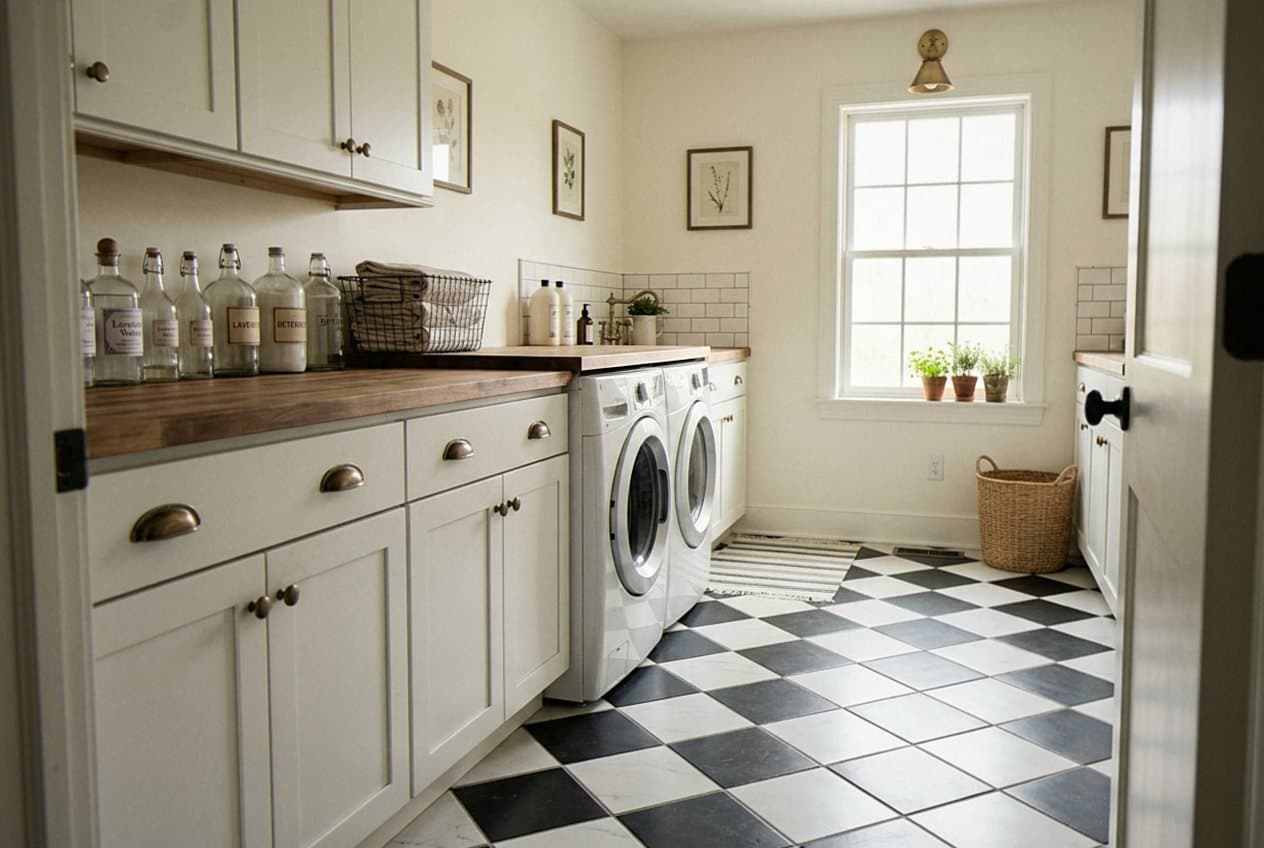
Black and white checkerboard tile floor in laundry room
What about the alternatives?

How tile stacks up against the other floors people ask about

People ask us to weigh tile against the click together floors and the vinyl planks all the time. Here is our honest read, room by room. A few of these are good calls in the right space. A couple we will talk you out of, and we will tell you why.

Porcelain tile

Our default for kitchens, baths, entries, and mudrooms in Springfield. It takes water, salt, and grit, it cleans with a mop, and one cracked piece can be swapped out without touching the rest of the floor.

Recommended

Glazed ceramic tile

Softer and easier on the budget, and a solid pick for a guest bath or a laundry room. We steer away from it in a front entry that sees boots and road sand every winter.

Acceptable

Natural stone

It looks great in a front entry or a powder room. Stone wants sealing on a schedule and it will show etching from anything acidic, so go in knowing that part.

Acceptable

Large format porcelain planks

A clean look with fewer grout lines to clean. The floor has to be very flat before the first plank goes down, so we often pour a leveler, and that adds a day to the job.

Acceptable

Peel and stick vinyl tile

It goes down fast and it lifts just as fast, usually at the doorway and in front of the fridge. In a working Springfield kitchen it rarely lasts long enough to be worth the tear out later.

Skip

Tile set over a bouncy subfloor

This is the one job we will not take. If a floor moves under your feet it will move under the tile, and the grout will crack in a straight line down the middle of the room.

Skip
How it goes

From quote to walk-on, fast.

01

Your inquiry

Call or send the short form with what is going on at your place. A sentence or two is plenty for the first step.

02

We talk it through

We go over the situation on the phone, ask the questions that matter, and tell you what we would do next.

03

A clear plan

You get a plain-language rundown of the work, the order it happens in, and what to expect on the day.

04

The work gets done

Our crew shows up when we said, does the job, and walks you through the result before leaving.

Before you book

What people ask us before they book

We would rather answer this up front than have it come up halfway through the job. If your question is not here, call and ask. You will get the same answer on the phone that you would get from us standing in the room.

How long will my kitchen floor take?
Most kitchen and hall floors run three to five working days. Day one is tear out and prep, and that is the loud one. Setting takes a day or two, depending on the size of the room and how many cuts it needs. Grout goes in the next day, then the floor sits before you load furniture back on it. If the subfloor needs a leveler pour, add a day to that.
Do I have to move out while you work?
No. We tape off the work area, run floor protection along the path we walk, and keep dust down with a vacuum on the saw. You will lose the room itself for a few days, so plan on eating out of another space for a bit. If a kitchen is the only way in and out, we can stage the floor in halves and keep you walking.
Can you tile over the floor that is already there?
Sometimes. Over a sound slab, or over an old tile floor that is still stuck down tight, yes, and it saves a day of tear out. Over sheet vinyl, cushioned flooring, or anything loose, no. We sound the old floor and we check the height at your doorways first, because adding a layer can leave a door dragging on the tile.
What happens at the doorways with the height change?
We look at that before we quote the job. Tile plus mortar plus backer board adds real height, and it matters where the floor meets carpet, wood, or a slider track. We pick the transition profile ahead of time. If a door will drag on the new floor, we take it off and shave the bottom so it swings clean again.
My grout keeps cracking. Can you fix that instead of redoing the floor?
Maybe, and it depends on why it cracked. When grout fails in one straight line across the room, the floor is moving and fresh grout will crack in the same spot. When it is crumbling in patches from a weak mix or a bad cure, we can cut it out and regrout. We will tell you which one you have before you spend a thing.
Do you work outside Springfield?
Yes. We cover Sangamon County and the towns around it, so Chatham, Sherman, Rochester, Riverton, Auburn, New Berlin, and Petersburg are all normal runs for our crew. Jacksonville and Lincoln come up often enough too. Call with your address and we will tell you straight away whether it is in range for us.
Aftercare

Keeping a tile floor looking right

Tile is easy to live with, and most of what shortens a floor's life is small stuff nobody mentions at the end of the job. Grit is the real enemy. Sand and salt tracked in from a Springfield winter act like sandpaper on the glaze and grind their way into the grout lines. A mat at every outside door plus a sweep once or twice a week handles most of that. Skip the harsh cleaners. Vinegar and bleach eat at cement grout over time, and steam mops force water into joints that were never built to take it. Warm water and a mild floor cleaner do the job fine.

  • Put a stiff mat outside and a soft one inside every door that sees winter boots, then shake them out weekly.
  • Sweep or vacuum before you mop. Wet grit just gets pushed into the grout lines and it stays there.
  • Use warm water and a mild cleaner. Skip the vinegar, the bleach, and anything that says it strips wax.
  • Leave the steam mop in the closet. Forced steam drives water down into grout joints and softens them over time.
  • Seal cement grout when water stops beading in the joint, and check the busy paths first since they wear fastest.
  • Call us early about one cracked tile or a soft spot in the grout. Small repairs stay small when we catch them.
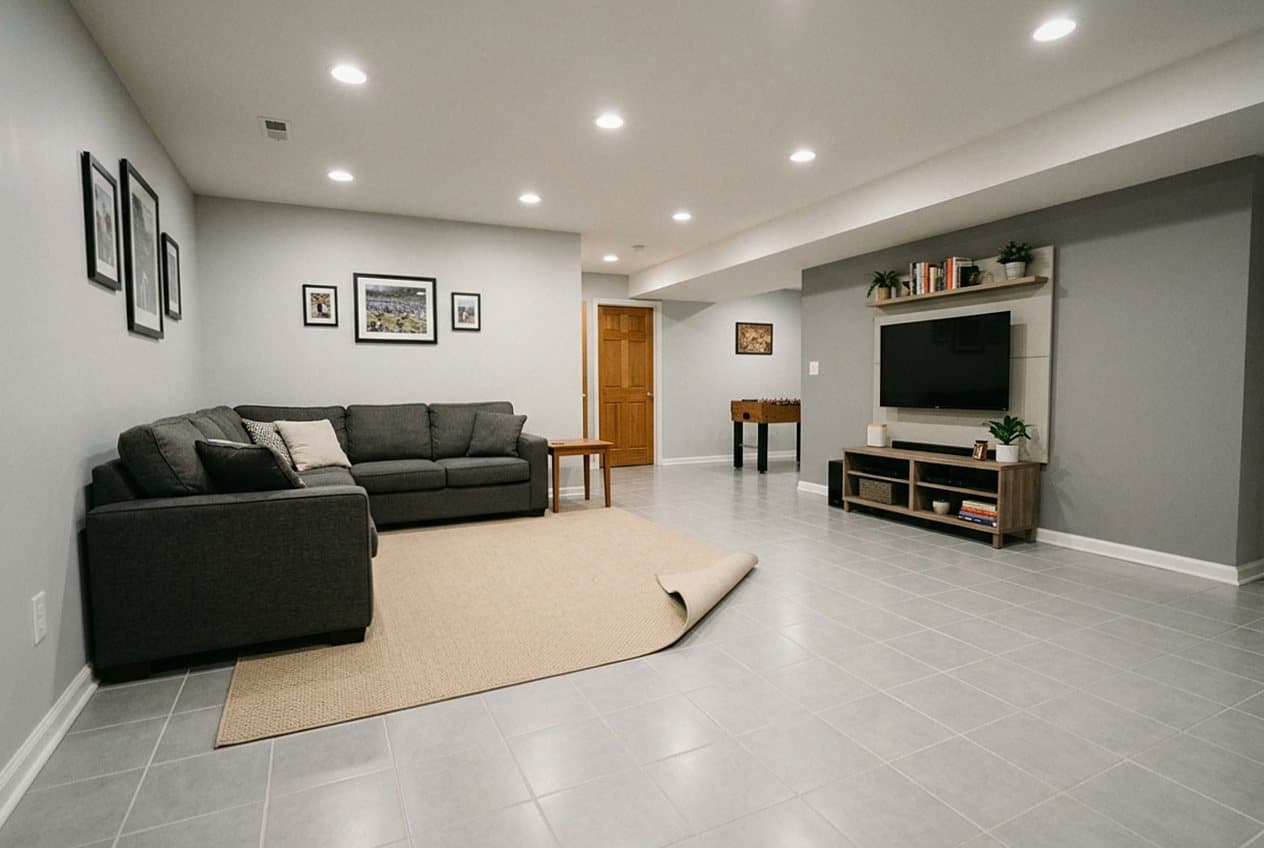
Gray tile floor in a finished basement rec room
FAQ

Common questions about tile floors

Ready when you are

Let's make your next steps easier

Tell us what is going on at your Springfield home and we will walk you through the options. One call or one short form is all it takes.

Call (217) 441-8115Make your inquiry
CallContact us